Why Bronze Sculptures Outlive Civilizations (And Why Collectors Pay Millions for Them)
Bronze statues have stood as enduring symbols of artistic mastery and grandeur for millennia. As a metal alloy primarily composed of copper and tin, bronze exhibits fluid elasticity when molten and exceptional tensile strength once solidified. These unique metallurgical properties empower sculptors to render intricate facial expressions, flowing drapery, and dynamic anatomical postures with an expansive sense of balance and weight—capabilities far exceeding the structural limitations of carved marble or fired clay.
A defining characteristic of bronze sculpture is its remarkable weather resistance and unique aging process, known as patina. Over years of environmental exposure, subtle chemical reactions between the metal and the atmosphere form a thin, protective surface film ranging from warm umbers to rich, verdant greens. Rather than corroding the work, this natural patina shields the core metal from degradation while imbuing the piece with a distinct historical character and visual depth that grows richer across generations.
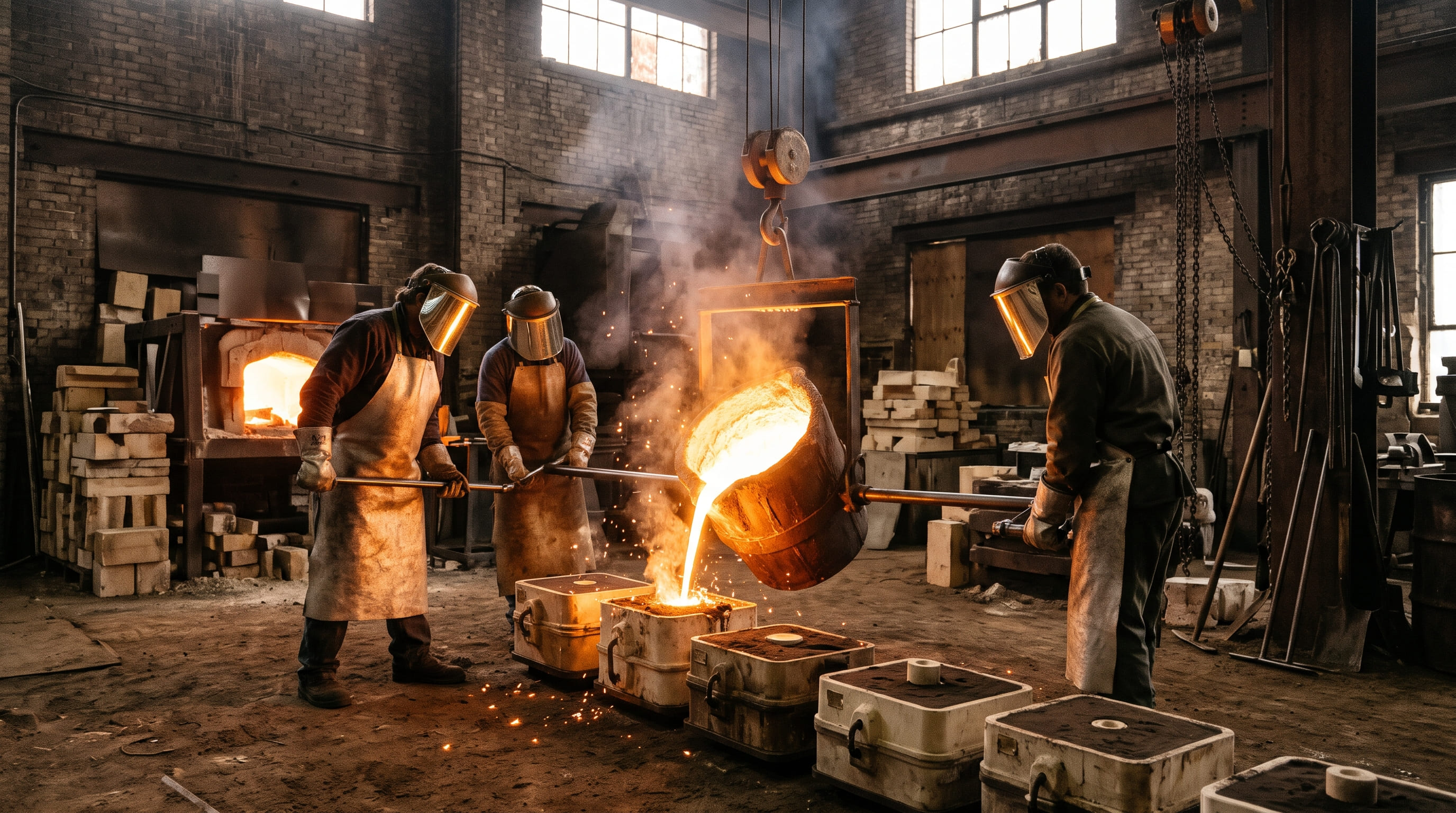
The production of a bronze sculpture requires rigorous craftsmanship, predominantly utilizing the traditional lost-wax casting method (cire perdue). In this multi-stage technique, an artist constructs a detailed wax model, coats it in a heat-resistant ceramic slurry, and bakes the mold so the wax drains away entirely. Molten bronze, heated to temperatures exceeding 1,000°C (1,832°F), is then poured into the hollow cavity. Once cooled, the ceramic shell is fractured to reveal the raw metal casting, which undergoes precise chasing, seam welding, detailing, and chemical patination to establish the final texture.
In contemporary spaces, bronze sculpture maintains a prominent position both as public landmark art and as a blue-chip collectible asset. From monumental civic installations in open plazas to refined figures anchoring luxury interior spaces, bronze instantly communicates permanence and prestige. Because these works can endure for centuries without losing structural integrity, fine bronze sculptures transcend mere decorative function, serving as valuable cultural heirlooms that consistently command strong collector interest in the global art market.