Bronze vs. Brass vs. Fiberglass Statues: Which Material Is Right for Your Project?
Bronze vs. Brass vs. Fiberglass Statues: Which Material Is Right for Your Project?
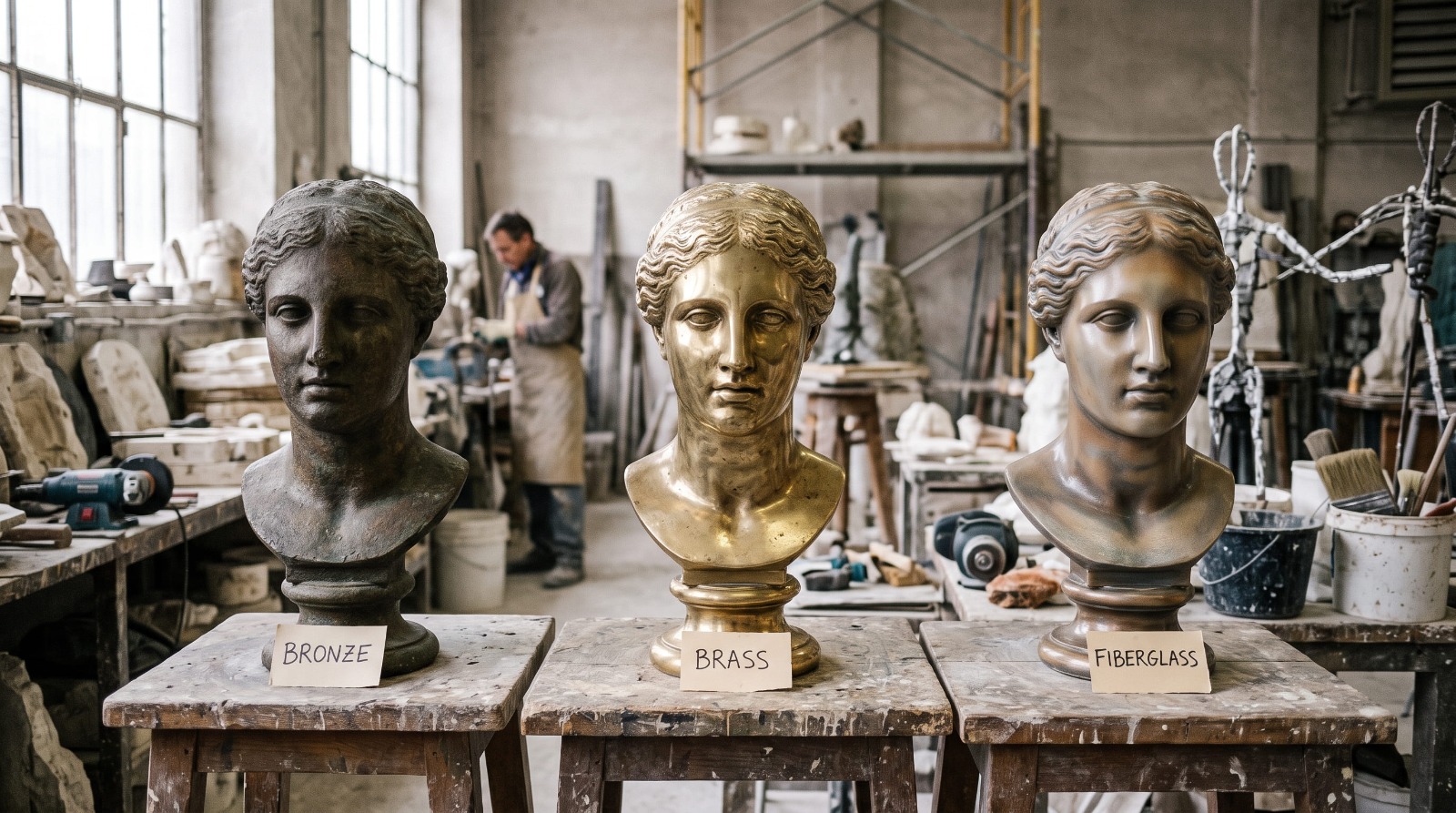
Commissioning a custom statue or architectural sculpture is a long-term investment that requires careful consideration, whether you are designing a public monument, curating a centerpiece for a luxury hotel lobby, or enhancing a private garden. The material you choose will ultimately define the artwork’s longevity, maintenance requirements, and visual prestige. In the world of sculpture making, bronze, brass, and fiberglass (FRP) are the three most widely used mediums. While all three can be cast and finished to look remarkably similar from a distance, each material possesses distinct characteristics in weight, texture, and weather resistance as the years go by.
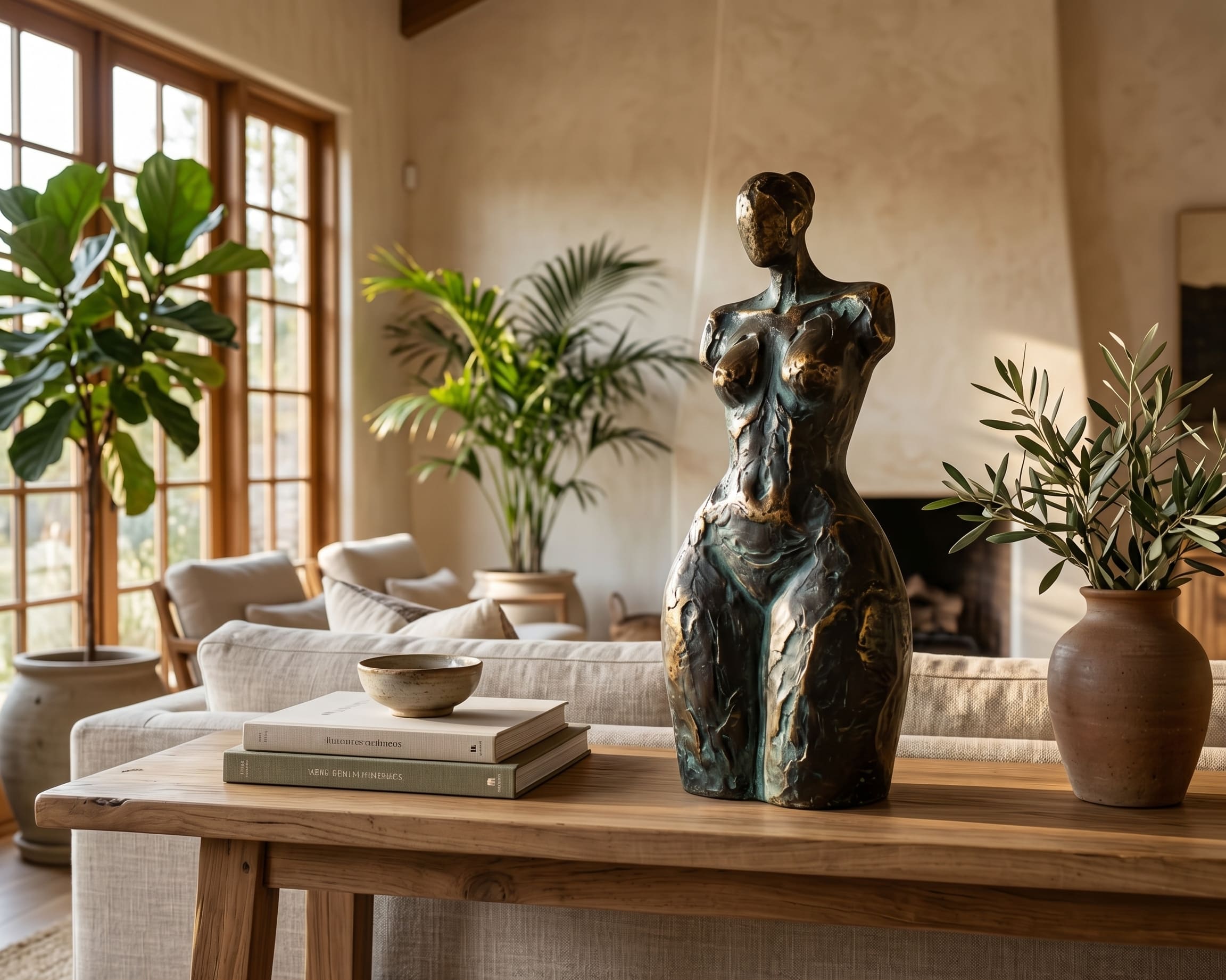
Bronze has stood for centuries as the gold standard for historical monuments and museum-grade fine art. Primarily composed of copper alloyed with tin, bronze sculptures are traditionally crafted using the lost-wax casting (cire perdue) technique, which captures microscopic anatomical details and intricate surface textures with extraordinary precision. Its greatest advantage lies in its unmatched outdoor durability, effortlessly withstanding extreme weather for well over a century. Unlike iron, bronze does not rust and deteriorate; instead, exposure to air and moisture creates a natural oxidized outer layer known as a patina. This rich brown, black, or classic green finish acts as a protective shield for the underlying metal. Although bronze requires the highest upfront investment and a solid structural foundation due to its heavy weight, it delivers permanent heirloom value with virtually zero structural maintenance.
On the other hand, brass an alloy of copper and zinc is celebrated for its brilliant, yellow-gold luster that reflects ambient light beautifully. When buffed to a high shine, brass closely resembles polished gold, making it a favorite choice for luxury interiors, grand corporate reception areas, and sacred or religious artworks. Commissioning a brass statue is often slightly more economical than high-grade silicon bronze while still offering the unmistakable weight, acoustic resonance, and authenticity of solid cast metal. However, because its zinc content makes brass more sensitive to humidity, salt air, and outdoor pollutants, it tarnishes much faster when left outside. Consequently, brass sculptures are best suited for indoor spaces or covered pavilions where regular polishing or clear protective coatings can preserve their radiant finish.
For projects working within strict budget caps or structural weight limits, fiberglass serves as a highly versatile and economical alternative. Made from polymer resin reinforced with woven glass fibers, fiberglass statues are exceptionally lightweight, making them easy and affordable to ship, relocate, or mount on indoor walls and rooftops. The surface of fiberglass can also be finished with automotive-grade polyurethane paints in vibrant colors or coated with cold-cast metallic powders to convincingly mimic the look of bronze or brass. Despite its versatility, this synthetic composite has a limited outdoor lifespan of roughly five to fifteen years. Prolonged exposure to harsh UV rays, heavy rain, and fluctuating temperatures gradually causes the resin to fade, develop surface micro-cracks, and become vulnerable to impact damage.
Ultimately, selecting the right material comes down to your installation location, long-term lifecycle budget, and the message you want your artwork to convey. If you are planning a permanent outdoor monument or a commemorative portrait meant to endure across generations, bronze is the most reliable and cost-effective choice over time because it eliminates the need for recurring restoration. Conversely, brass is ideal when you want to create an opulent, golden focal point indoors, while fiberglass offers a practical solution for indoor commercial displays, seasonal exhibitions, and short-to-medium-term installations where minimizing initial costs is the top priority.